Bailey Lake Restoration Case Study
Restoring Irrigation Capacity and Protecting a Community Resource in Burleson, Texas
Bailey Lake Park is one of Burleson's most popular outdoor destinations. The eight-acre lake serves as a scenic focal point for walking trails and fishing while also functioning as the primary irrigation source for Bailey Lake Park and the adjacent Chisenhall athletic complex. This city pond restoration balanced public access with essential infrastructure needs.
Over time, stormwater runoff carried sediment into the lake, gradually reducing its depth and water storage capacity. To protect this valuable municipal asset and ensure a reliable irrigation supply for city parks, the City of Burleson partnered with AUS Dredge & Dive to perform a strategic dredging project designed to restore capacity while minimizing disruption to park operations. This Texas municipal dredging initiative focused on targeted results that supported long-term park management.
Project Snapshot
Location: Burleson, Texas
Client: City of Burleson Parks & Recreation
Service: Hydraulic Pond and Lake Dredging (municipal lake dredging)
Lake Size: 8-acre municipal lake
Primary Goal: Restore water storage capacity and improve irrigation reliability while preserving a valued community park.
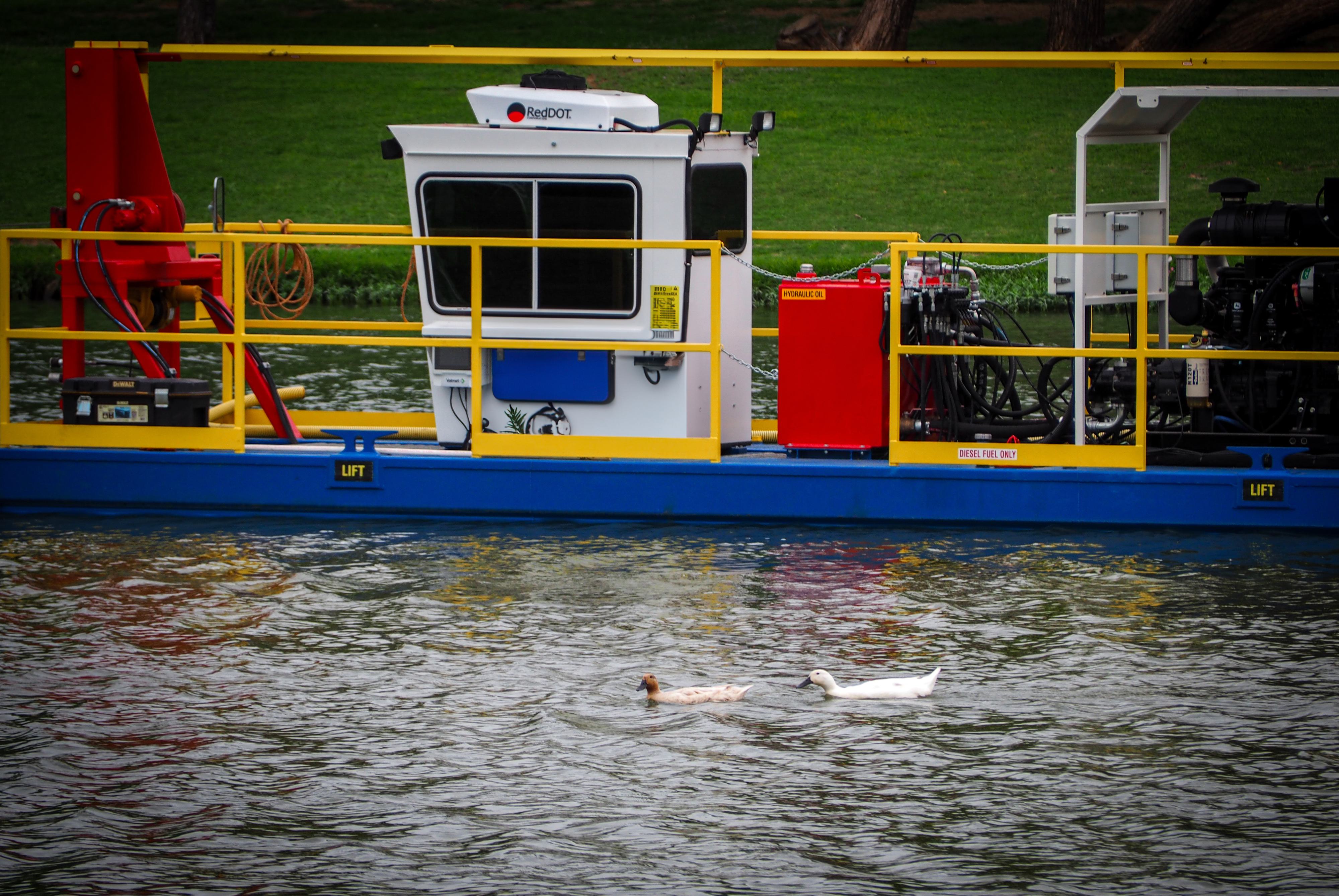
The Challenge
Constructed in 2008, Bailey Lake plays a dual role as both a recreational amenity and a critical piece of municipal infrastructure.
The lake supplies irrigation water for Bailey Lake Park and nearby Chisenhall Fields, making its storage capacity essential during North Texas summers. Years of stormwater runoff gradually deposited sediment throughout the lake, reducing available water volume and affecting long-term performance.
As sediment accumulated, the City recognized several concerns:
- Reduced water storage capacity
- Increased sediment around the irrigation intake
- Long-term impacts on irrigation reliability
- Loss of aquatic habitat
- The need to preserve a heavily used public park
Rather than waiting until conditions became critical, the City chose to address the problem through proactive maintenance as part of its long-term parks management strategy.
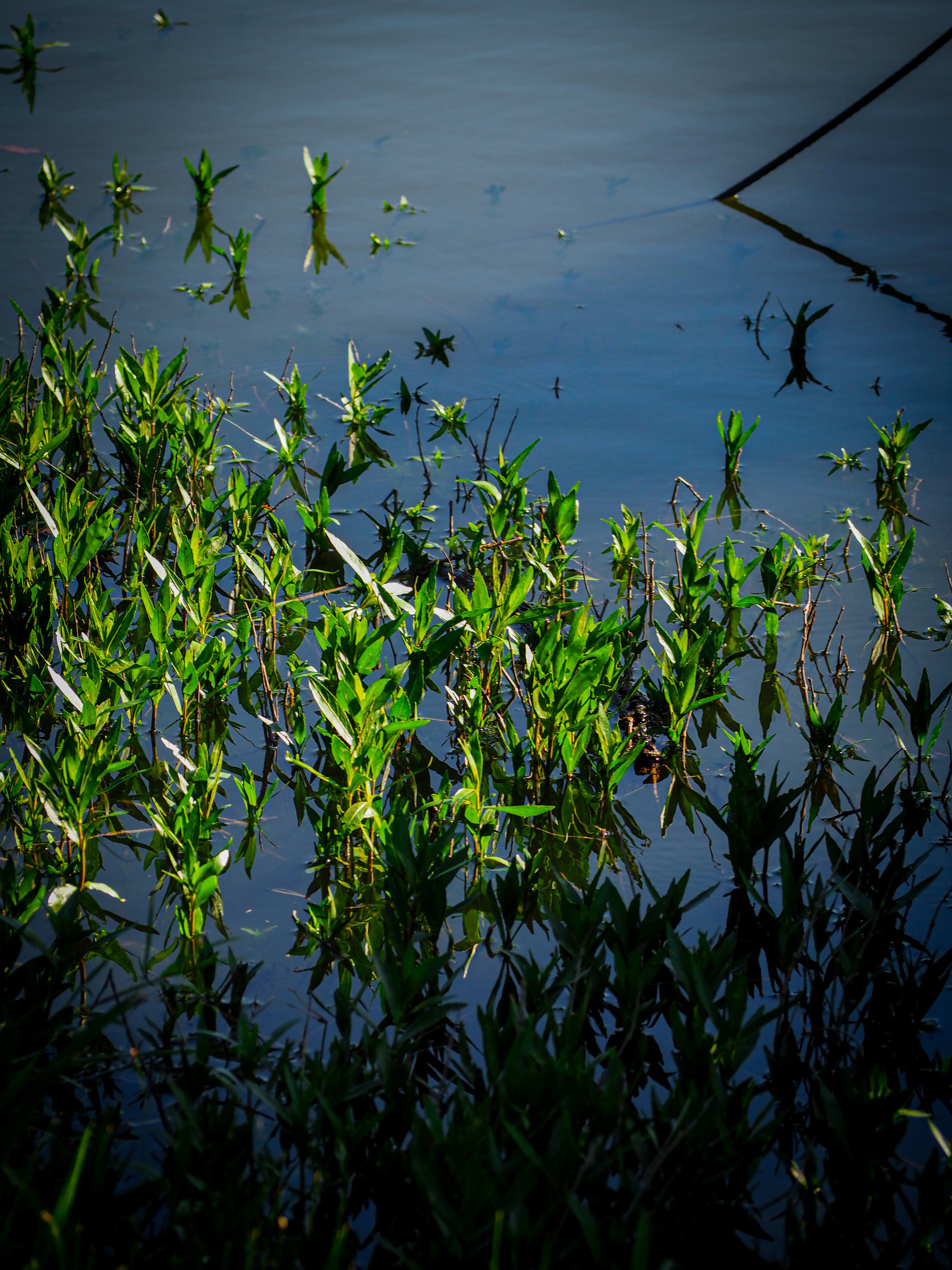
Developing the Right Dredging Strategy
One of the most valuable aspects of the Bailey Lake project was the City's careful evaluation of where dredging would deliver the greatest benefit.
City staff determined that while sediment was present throughout the lake, the most significant operational impacts were occurring near the irrigation intake structure. By prioritizing the areas with the greatest sediment accumulation, the City could restore functionality while making the most effective use of available funding.
This targeted approach demonstrates an important principle of municipal lake management:
Not every lake requires full-scale dredging. Strategic sediment removal can often restore performance, extend the life of a lake, and delay more extensive rehabilitation projects.
The AUS Solution
AUS Dredge & Dive worked closely with the City of Burleson to implement a hydraulic dredging solution tailored to the park's operational needs. As a lake dredging contractor, AUS aligned methods with park access, safety, and schedule requirements.
Hydraulic dredging allowed accumulated sediment to be removed efficiently while minimizing disturbance to the surrounding park, trails, and landscape. Our hydraulic dredging Texas team coordinated staging and communication to keep the public informed and the park accessible.
Project benefits included:
- Restoring water storage capacity
- Improving irrigation system performance
- Preserving park accessibility during construction
- Minimizing impacts to existing infrastructure
- Supporting long-term lake management objectives
Because municipal parks remain active throughout construction, maintaining safety, communication, and operational efficiency was a priority throughout the project.
More Than a Dredging Project
One of the most memorable moments of the Bailey Lake restoration happened on shore—not underwater.
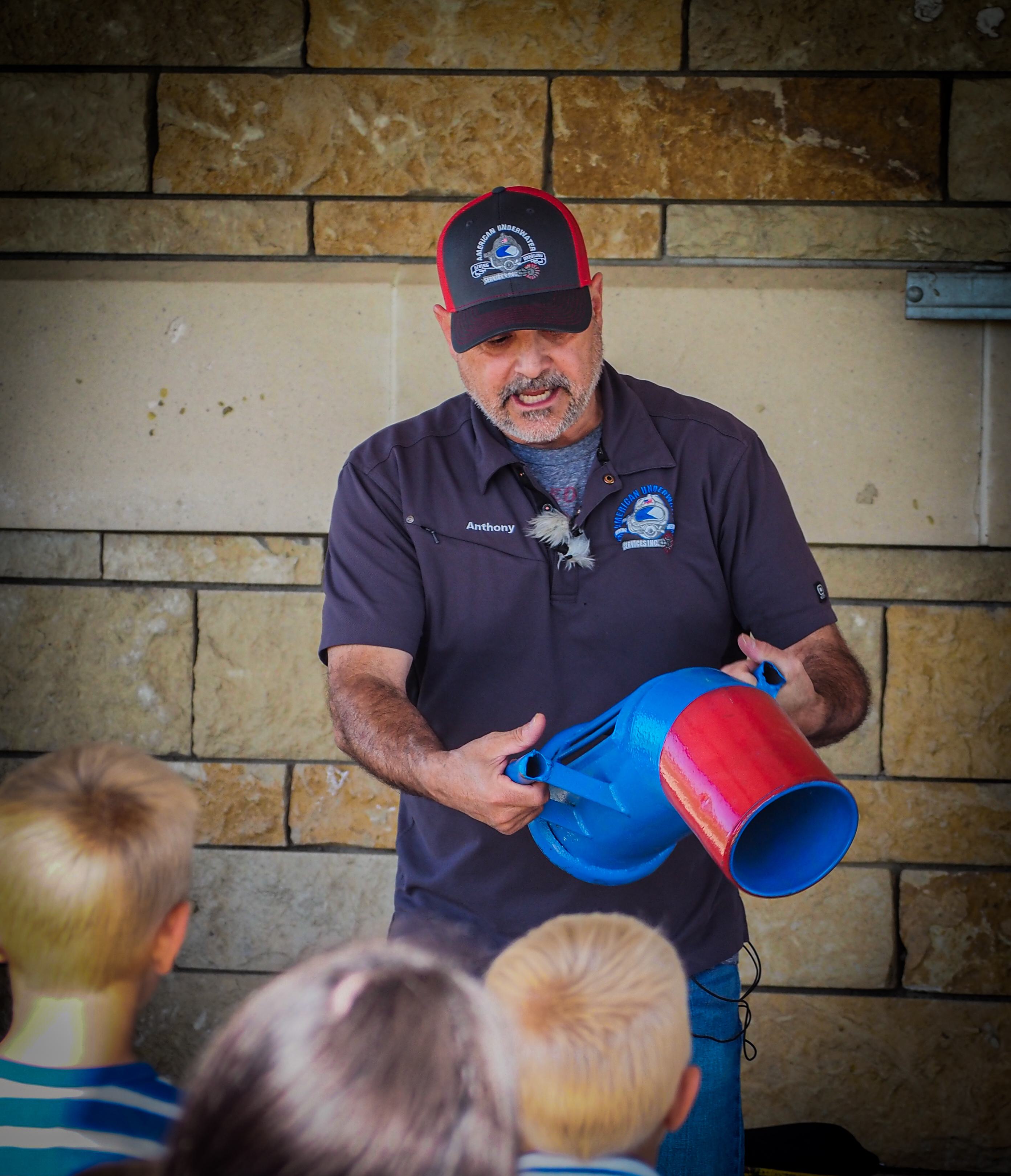
During the project, AUS partnered with the City of Burleson Parks & Recreation to host a special educational event for local youth. Students had the opportunity to learn how hydraulic dredging works, why sediment accumulates in lakes, and how proper lake maintenance protects water quality and aquatic ecosystems.
The event also introduced students to careers in commercial diving and environmental restoration, helping connect infrastructure projects with real-world STEM education.
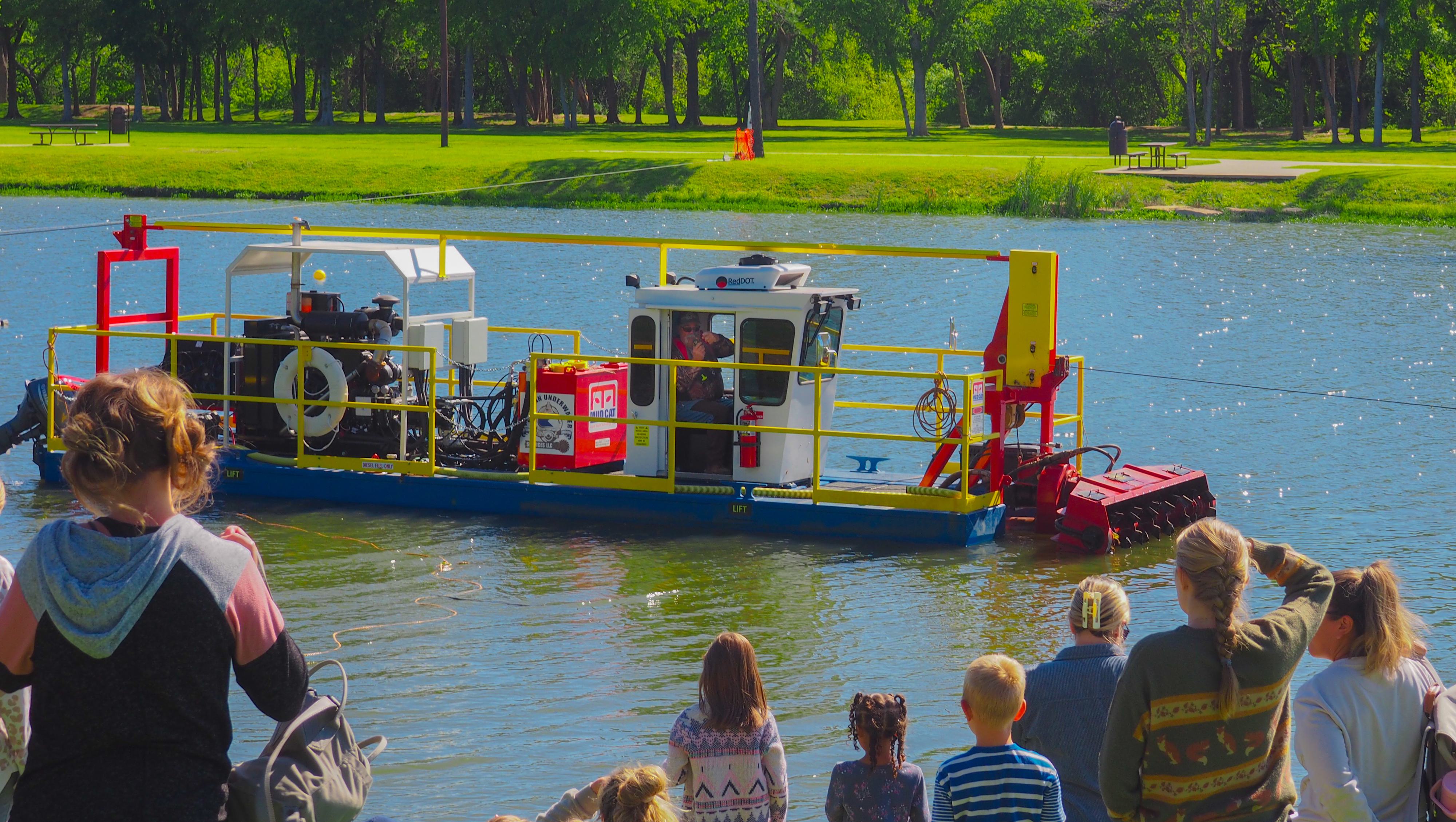
For AUS, projects like Bailey Lake are about more than removing sediment—they're about helping communities understand the value of protecting their water resources.
Results
The Bailey Lake restoration helped the City of Burleson protect one of its most important park assets while supporting long-term operational goals.
Project outcomes included:
- Improved water storage capacity
- Enhanced irrigation reliability for Bailey Lake Park and Chisenhall Fields
- Reduced sediment accumulation around critical infrastructure
- Protection of fish and aquatic habitat
- Preservation of a popular recreational destination
- Extended service life of an important municipal asset
The project was later recognized by the City as one of several significant park improvement initiatives completed as part of its broader investment in parks and public spaces.
Why Municipal Dredging Matters
Sediment accumulation is a natural process, but delaying maintenance can lead to reduced storage capacity, declining water quality, increased maintenance costs, and expensive future rehabilitation.
Municipalities that routinely evaluate sediment conditions can often address issues before they become major capital projects.
Whether the goal is improving irrigation, restoring stormwater capacity, protecting aquatic habitat, or extending the life of public infrastructure, strategic dredging is an important tool for long-term asset management.
Planning Before Dredging
Every lake is different.
Before recommending a dredging solution, AUS works with municipalities, engineers, and park managers to evaluate sediment conditions, project goals, access constraints, and long-term maintenance needs.
In many cases, the most cost-effective solution is not removing the most sediment—it's removing the right sediment.
That planning-first approach helps municipalities maximize budgets while protecting valuable public resources.
Need to Restore a Municipal Pond or Lake?
From neighborhood park ponds to large municipal lakes, AUS Dredge & Dive provides hydraulic dredging, sediment management, underwater inspections, and long-term maintenance solutions throughout Texas and surrounding states.
Contact our team today to discuss your lake restoration project or schedule a site evaluation.
Frequently Asked Questions
Question: What problem did dredging at Bailey Lake solve?
Short answer: Years of stormwater runoff deposited sediment across the eight-acre lake, reducing depth and water storage capacity and concentrating buildup around the irrigation intake. This threatened irrigation reliability for Bailey Lake Park and the adjacent Chisenhall Fields, and risked long-term impacts to aquatic habitat. By proactively dredging, the City of Burleson restored capacity, protected a key municipal asset, and supported ongoing park operations.
Question: Why did the City choose targeted dredging near the irrigation intake instead of dredging the entire lake?
Short answer: City staff evaluated sediment conditions and identified the greatest operational impact near the irrigation intake structure. Focusing on this area delivered the most benefit for irrigation performance and storage capacity while making the most effective use of available funding. The project illustrates a core principle of municipal lake management: not every lake needs full-scale dredging; strategic sediment removal can restore performance and delay more extensive rehabilitation.
Question: What is hydraulic dredging, and why was it selected for a busy public park?
Short answer: Hydraulic dredging removes accumulated sediment by pumping it as a slurry, enabling efficient, controlled sediment removal with minimal disturbance to shorelines, trails, and landscaping. AUS Dredge & Dive tailored the approach to park access, safety, and schedule requirements, coordinating staging and public communication so the park remained accessible during the project.
Question: How did the project maintain public access and engage the community?
Short answer: AUS prioritized safety and communication to preserve park accessibility throughout construction. In partnership with the City of Burleson Parks & Recreation, AUS also hosted an educational event for local youth, explaining how hydraulic dredging works, why sediment accumulates in lakes, and how maintenance protects water quality and aquatic ecosystems, while introducing careers in commercial diving and environmental restoration.
Question: What were the key outcomes, and what are the broader takeaways for municipal pond management?
Short answer: The project improved water storage capacity, enhanced irrigation reliability for Bailey Lake Park and Chisenhall Fields, reduced sediment around critical infrastructure, protected fish and aquatic habitat, preserved a popular recreational destination, and extended the service life of a vital municipal asset. More broadly, routine evaluation and timely dredging help municipalities avoid degraded water quality, rising maintenance costs, and major capital projects. A planning-first approach—assessing sediment conditions, goals, access constraints, and long-term needs—often shows that the most cost-effective solution is removing the right sediment rather than the most. AUS supports this process with hydraulic dredging, sediment management, inspections, and maintenance across Texas and surrounding states.